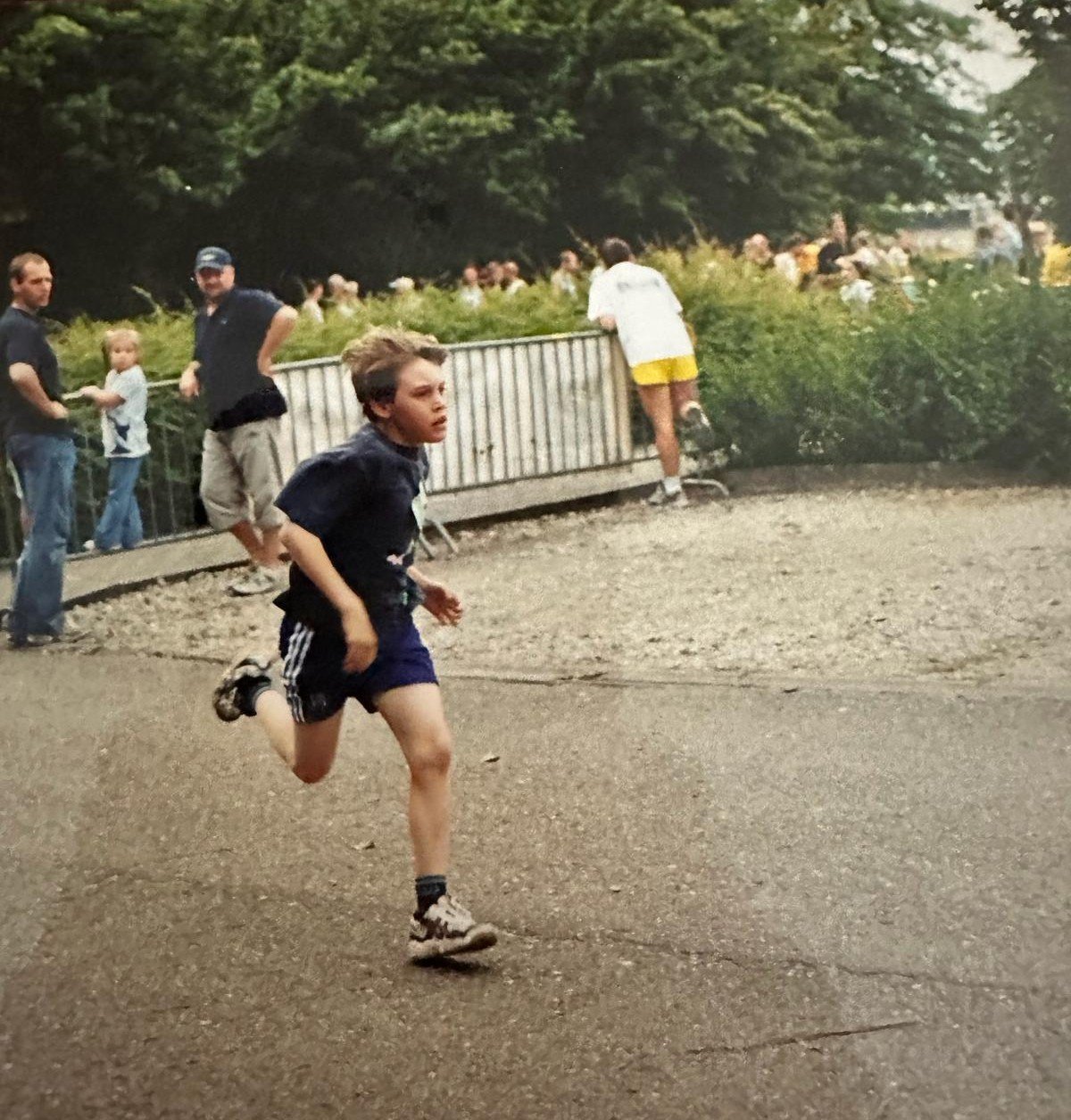
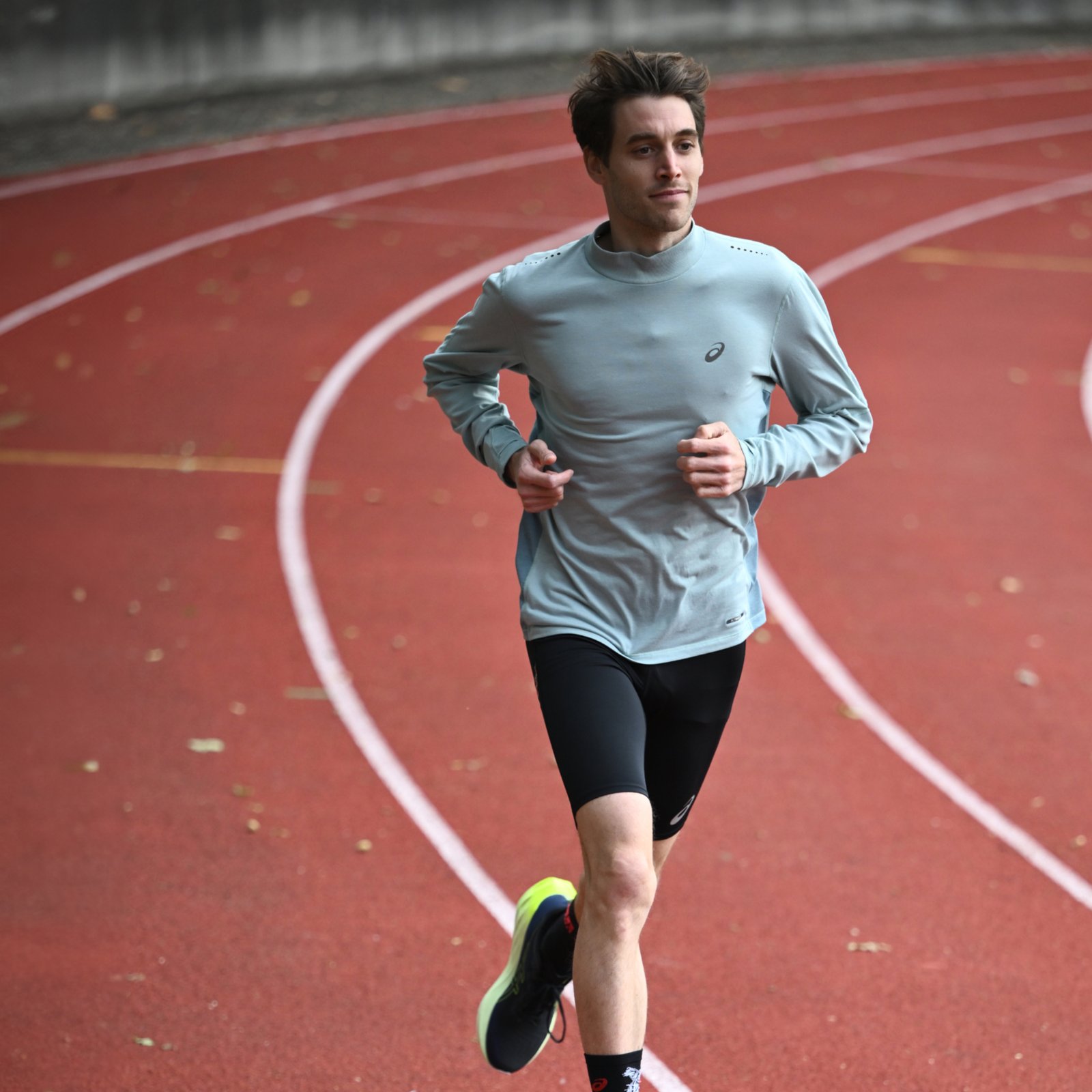
One of the most frequently asked questions I get is: “Am I good enough to be coached by an Olympian?” My answer is usually this: “You are asking the wrong question.”
When talking to a potential new athlete to coach, I am not looking for talent or fast PBs. I want to know their story with running and how they want to grow. I am looking for a student of the sport, as I was one myself for my whole career. The eagerness to learn how their own body responds to training, and how to progress smartly over time. It’s quite a magical feeling when you learn to understand your body and how to communicate with it.
The most important aspect of my coaching is not centered around the actual training schedule, it is about the feedback. From the athlete to the coach and vice versa. Getting better at running is not rocket science. It is simple, but it is not easy. Being able to communicate how your body is handling the training load is essential in the success of a training plan.
The big challenge lies in the practical side of things. How do we implement all this information in a training schedule that is challenging but realistic, ambitious but sustainable? The actual training is only part of the puzzle, and usually the “easiest” for motivated athletes. Way more challenging is the way your running is structured into your daily life, in a way that you can absorb the training and get better, not worse. As I help out my athletes with these questions, I need to create a strong athlete-coach relationship based on mutual respect, trust and time commitment. This is not something you can create with 100 athletes, which is why I am hoping to attract the right athlete instead of more athletes.
That means that running level is not important, it is mindset. What place does running have in your life, and how can I help to get the most out of it? If you can commit to have running as one of your priorities in life, you have my commitment as a coach!
So now ask yourself the right question: “Am I a student of the sport?”